



Grain must be dried before storage. Why? Because moisture is the number one enemy of stored grain. If you store grain without proper drying, you risk mold, insects, heating, and spoilage – losses that can easily reach 10–20% of your harvest. Below, Jinrui Grain Silos will analyze the reasons in detail and provide you with the right drying methods.
Grain must be dried before storage for five main reasons. Each one directly affects the quality, safety, and value of your harvest.
Prevent mold growth– When grain moisture exceeds 14–15%, mold can develop rapidly. Some molds produce mycotoxins that are harmful to humans and animals. Once mold appears, the entire batch may become unsellable.
Control insects and pests– High moisture creates an ideal environment for insects and pests. Weevils, beetles, and other grain pests thrive in damp conditions, multiplying quickly and causing significant weight loss.
Prevent heating and spoilage– Moist grain generates heat through respiration and microbial activity. This heat accelerates spoilage, creates hot spots, and can even lead to spontaneous combustion in extreme cases.
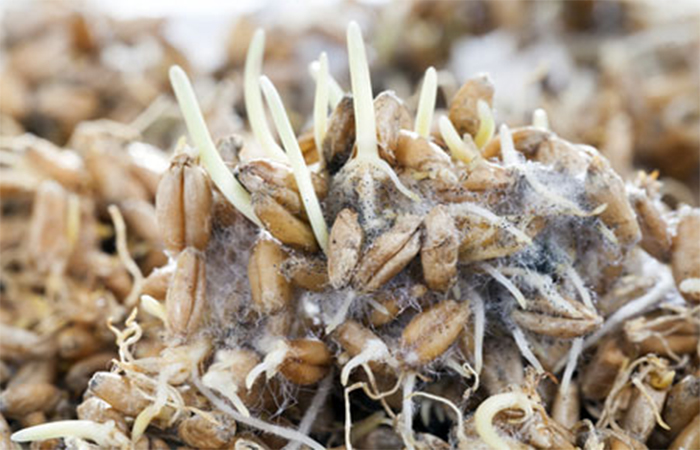 Sprouted grain with mold growth
Stop sprouting– Grain is a living seed. If moisture is too high, it will begin to sprout during storage. Sprouting consumes the grain’s nutrients, reduces weight, and makes the grain unfit for milling or consumption.
Maintain market value– Dry grain commands a higher price and is easier to sell. Buyers reject damp grain because it is risky to store and process. Proper drying preserves quality and protects your profit.
Once you understand why drying is essential, the next question is: how to dry grain properly? There are two main approaches – natural drying and mechanical drying.
Natural Drying (Sun Drying)
This traditional method spreads grain thinly under the sun. It requires no equipment but depends entirely on weather. Rain, humidity, or cloudy days can delay drying and cause spoilage. It also takes more time and labor.
Best for:Small-scale farms with abundant sunshine and low moisture content (under 20%)
Limitations:Weather-dependent, labor-intensive, uneven drying results
Mechanical Drying
Using a grain dryer gives you full control over temperature, airflow, and drying time. It is faster, more efficient, and works regardless of weather. Jinrui Grain Silos offers three types of grain dryers to meet different needs.
| Dryer Type | Best For | Typical Capacity | Temperature Range |
| Mixed-flow dryer | Small to medium farms, rice & wheat (gentle drying required) | Batch: 1–100+ tons/batch Continuous: 1–30+ tons/hour | 45–90°C (Rice: 40–60°C; Corn: up to 90°C) |
| Rotary drum dryer | Large-scale continuous operations, high moisture grain, industrial minerals | 1–60+ tons/hour (Industrial models may reach higher) | 60–120+°C (Higher for non-grain materials) |
| Tower dryer | Commercial terminals, large farm cooperatives, continuous high-volume drying | 10–200+ tons/hour | 50–80°C |
Typical drying time:2–6 hours depending on grain type, initial moisture, and dryer capacity.
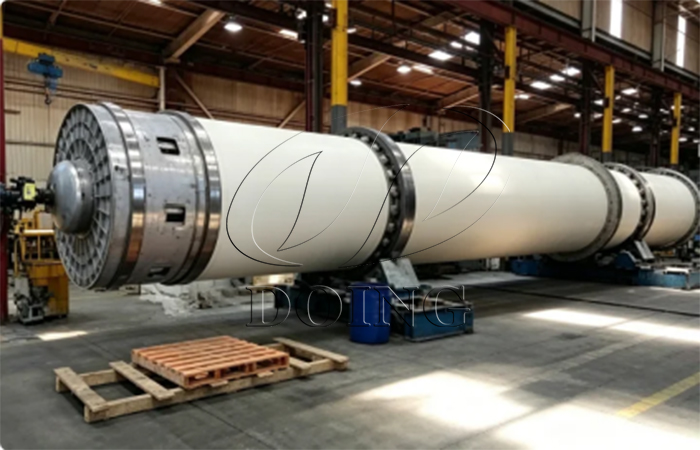 Rotary drum garin dryer for grain storage
Target moisture content:
Wheat: ≤ 13.5% (long‑term storage: ≤ 12.5%)
Corn: ≤ 14.0% (long‑term storage: ≤ 13.0%)
Rice: ≤ 13.5% (long‑term storage: ≤ 12.5%)
Soybeans: ≤ 13.0% (long‑term storage: ≤ 11.0%)
Note: Safe moisture depends on storage duration and temperature. Longer storage or higher temperatures require lower moisture content.
After understanding the features of the three types of dryers, the next question is: how do you choose the right drying equipment for your grain storage? It depends on five key factors:
| Factor | Question to Ask |
| Grain type | Different grains require different drying temperatures |
| Moisture content | Higher moisture = more drying power needed |
| Daily capacity | Your throughput determines dryer size |
| Available space | Tower dryers save floor space |
| Budget | Balance initial investment vs. operating costs |
Frequently Asked Questions
What is the ideal moisture content for storing grain?
The target varies by grain type. Wheat and rice should be dried to 12–13% moisture. Corn handles up to 14–15%, while soybeans require 11–12% for optimal storage life.
Can I rely on sun drying alone?
Sun drying works for small batches in regions with consistent sunshine. However, it is weather-dependent, slower, and produces uneven results. For commercial operations, mechanical drying is more reliable and efficient.
How long does mechanical grain drying take?
Most grain dryers complete drying in2–6 hoursper batch, depending on the grain type, initial moisture content, and dryer capacity.
What happens if grain is stored without proper drying?
Undersized grain can develop mold (above 14–15% moisture), attract insects, heat up through respiration, and even sprout. Studies show losses can reach10–20% of harvestin severe cases.
Which dryer is best for small to medium farms?
Mixed-flow grain dryers offer gentle, even drying at lower temperatures – ideal for high-value grains like rice and wheat. For larger volumes, rotary drum dryers provide faster throughput.
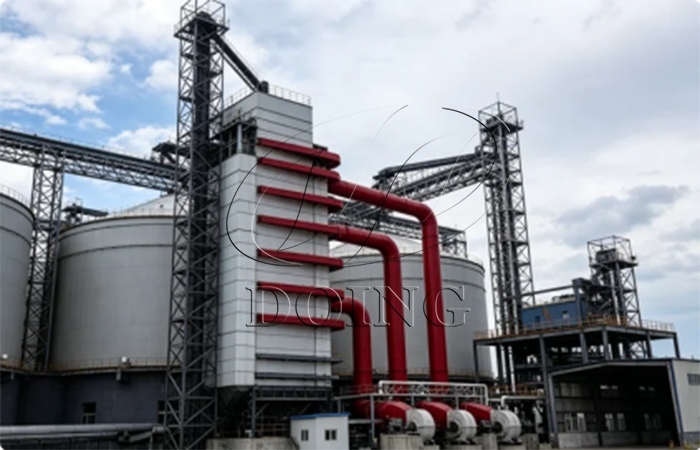 Jinrui grain silo tower type grain dryer
Failing to dry grain properly doesn’t just compromise grain quality – it eats into your profits. Whether you need drying equipment or grain silos, Jinrui Grain Silos offers reliable solutions built for commercial farms and processing facilities worldwide.
Jinrui Grain Silos has 15+ years of experiencemanufacturing grain storage and drying solutions, serving clients in 50+ countries. From consultation to installation, our team ensures you get the right equipment for your operation.
Ready to discuss your project?Contact us today for a free, customized quote. We’ll help you select the most suitable drying and storage solution for your harvest.
Share your needs & get a response within 24 hours!