



As the demand for efficient and reliable storage continues to increase, grain silos have become an essential solution for farms, grain processors, feed producers, and agricultural businesses worldwide.
More than simple storage structures, modern silos help reduce post-harvest losses, maintain grain quality, improve operational efficiency, and create greater economic value throughout the agricultural supply chain. In this article, Jinrui Grain Silos explores the key benefits of modern silo storage and why it has become a strategic investment for grain operations of all scales.
Post-harvest loss remains one of the largest hidden costs in grain production. In many agricultural regions, inadequate storage conditions contribute to significant grain deterioration—often representing a substantial portion of total post-harvest losses.
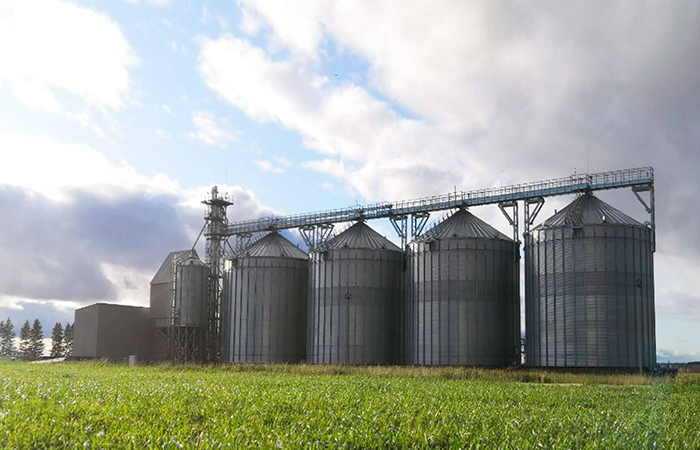 Grain steel silos
Modern silo systems help reduce these losses by protecting grain from moisture, insects, rodents, and weather exposure. Compared with traditional open storage methods, hermetic sealed silos can preserve significantly more cereals by creating controlled storage environments.
Jinrui’s sealed silo systems are specifically engineered to address these loss factors, helping operators maximize the amount of marketable grain and improve overall returns.
Grain quality directly affects market value and downstream processing performance. Storage conditions play a critical role in preserving that quality.
For safe long-term storage, moisture content must be carefully controlled according to grain type:
Corn, wheat, rice: ≤13%
Sorghum, beans: ≤12%
Soybeans: 11–12%
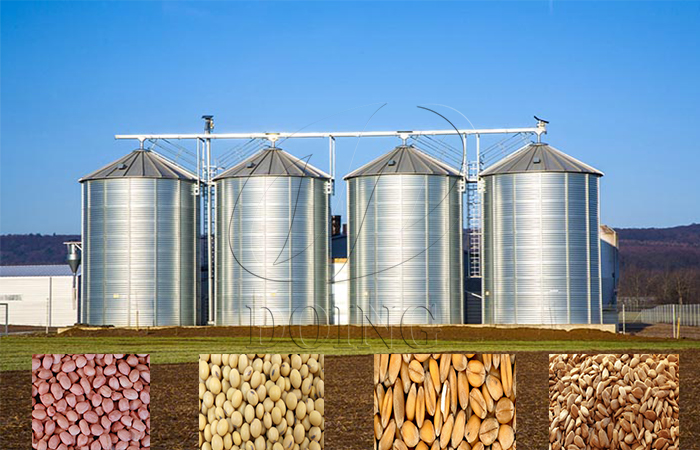 Grain storage system
Temperature management is equally important. Maintaining grain below 20°C can significantly extend storage duration, while higher temperatures may reduce safe storage life by up to 75%.
Jinrui silos integrate temperature monitoring and aeration systems to maintain stable storage conditions automatically, helping preserve quality and reduce storage risks over extended periods.
Proper silo storage not only protects inventory but also helps preserve nutritional and biological performance.
Modernized grain storage systems have demonstrated measurable improvements in seed viability across multiple crops. Studies indicate:
Wheat germination increased by 8–12%
Oat germination improved by 20–26%
Lupine germination increased by 47–61%
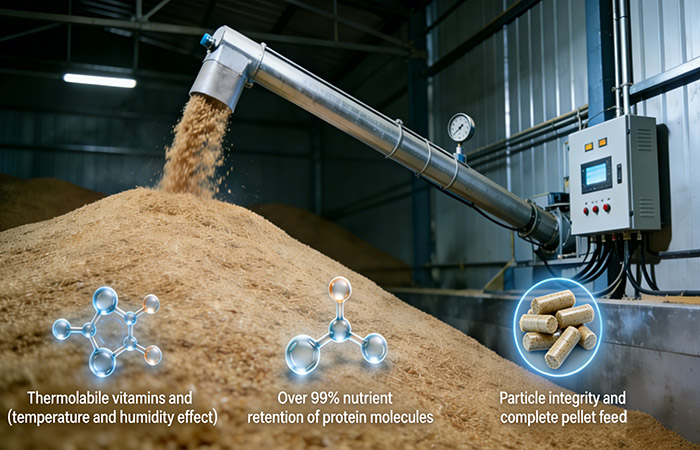 Application of grain silos
For livestock applications, sealed storage has also shown:
3% higher protein digestibility
12% higher phosphorus digestibility
These improvements support better feed utilization and lower operating costs. Jinrui’s aeration and climate control systems are designed to maintain the precise conditions that enable these performance gains.
Harvest seasons create temporary surpluses, while processing plants and feed mills require consistent year-round grain supply.
Dedicated silo storage capacity allows operators to bridge this gap—storing grain during harvest peaks and releasing it steadily throughout the year. This supports:
Continuous operation for processing facilities
Stable feed supply for livestock operations
Reduced weather-related harvest delays
More predictable inventory management
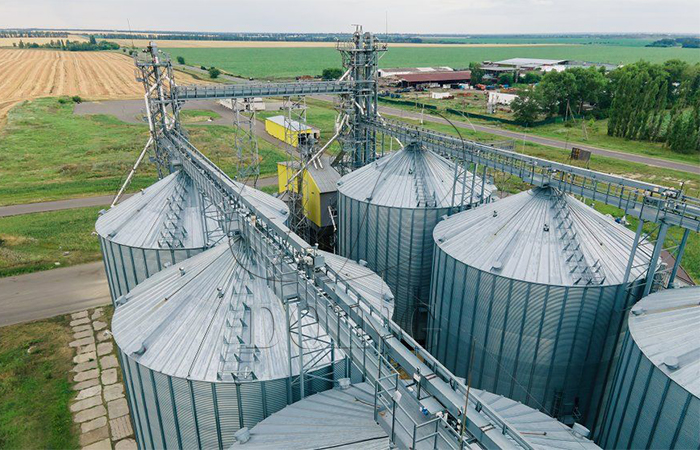 Silos for stable grain supply
With proper silo infrastructure, businesses can maintain consistent production schedules regardless of seasonal fluctuations.
Traditional storage methods often depend heavily on chemical treatments for pest control and preservation.
Modern sealed silo systems reduce this dependence by creating oxygen-limited environments that naturally suppress insect activity and lower spoilage risk—without the need for extensive fumigation.
This approach supports:
Safer grain handling for workers
Reduced chemical residues in stored grain
Lower environmental impact
Compliance with increasingly strict food safety standards
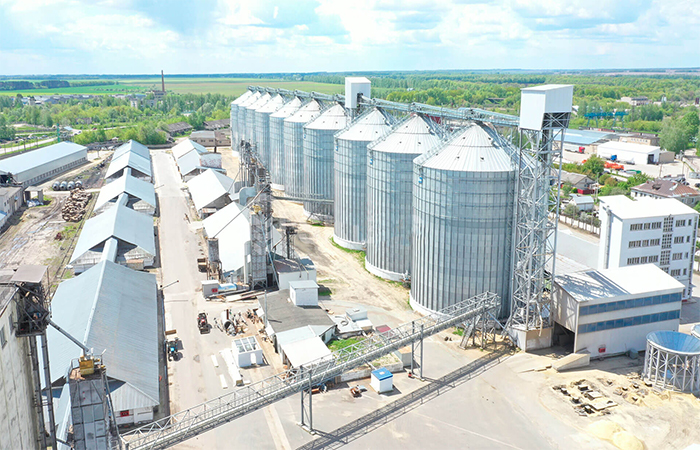 Grain storage solution
Jinrui’s silo designs prioritize sealed construction and integrated monitoring to support sustainable storage practices.
Storage efficiency becomes increasingly important as agricultural operations continue to scale.
Compared with conventional flat storage layouts, optimized steel silo configurations can increase effective storage capacity by approximately 25% within the same footprint—maximizing land use and reducing infrastructure costs.
Available silo capacities range from 50 tons to over 25,000 m³, allowing flexible solutions for both farm-scale and industrial applications. Jinrui offers bolted steel silos that can be expanded modularly as operations grow.
How to Choose the Right Silo for Your Project
Selecting the right silo involves more than simply choosing storage capacity. Grain type, climate conditions, storage duration, and future production plans all influence the performance and long-term value of a storage project.
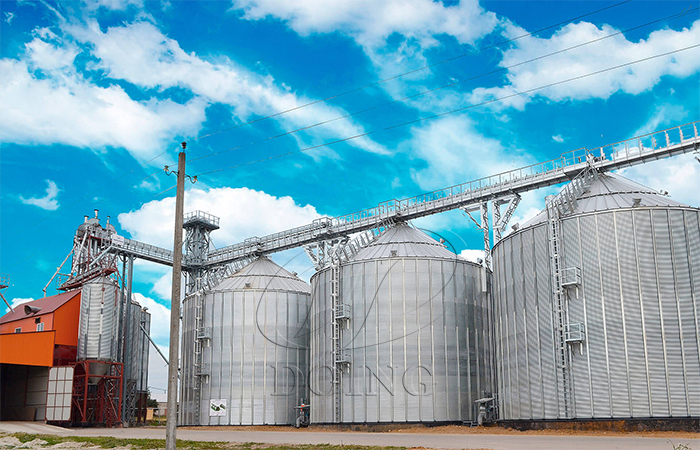 Jinrui grain silos
When evaluating a silo solution, consider the following factors:
Storage capacity requirements (farm-scale or commercial scale)
Grain type (corn, wheat, rice, soybean, etc.)
Moisture and temperature control requirements
Loading and unloading efficiency
Future expansion plans
Automation and monitoring functions
Based on practical project experience, these factors determine not only storage performance but also operating costs and future scalability.
At Jinrui Grain Silos, we help customers customize silo configurations according to local conditions and project objectives. A well-designed storage system should not only protect grain quality but also improve operational efficiency and support long-term return on investment.
1. What is the main advantage of using grain silos?
The primary advantage is reducing post-harvest losses while maintaining grain quality. Proper storage also improves operational efficiency and enables more flexible inventory management throughout the year.
2. How long can grain be stored in a silo?
Storage duration depends on grain type, moisture content, temperature, and ventilation conditions. Under proper conditions—typically moisture ≤13% and temperature below 20°C—grain can remain in good condition for months or even years.
3. What moisture level is safe for grain storage?
Safe moisture levels vary by grain type. For corn, wheat, and rice, the recommended threshold is ≤13%. For sorghum and beans, ≤12%. For soybeans, 11–12% is optimal. Exceeding these levels significantly increases spoilage risk.
4. Are steel silos better than traditional warehouses?
Steel silos generally provide better storage efficiency, easier expansion, improved environmental control, and reduced labor requirements compared with conventional flat storage methods. They also offer superior protection against pests and weather.
5. What capacity options are available?
Silo capacities range from small farm installations (50–500 tons) to large commercial facilities (5,000–25,000+ m³). Jinrui provides customized configurations based on specific project requirements.
6. Can silos support automated operation?
Yes. Modern silo systems can integrate temperature monitoring, aeration, conveying, and intelligent control systems to improve storage management efficiency and reduce manual oversight.
Modern grain silos have become a strategic investment for improving storage efficiency, reducing post-harvest losses, and maintaining grain quality over extended periods. By enabling year-round supply, supporting sustainable storage practices, and maximizing land use efficiency, they create measurable value across the agricultural supply chain.
Key benefits include:
Reduced grain loss through sealed, controlled storage
Preserved grain quality via temperature and moisture management
Improved seed viability and feed performance
Year-round supply continuity for processing operations
Reduced dependence on chemical treatments
Up to 25% higher storage capacity per unit of land
At Jinrui Grain Silos, we provide customized storage solutions based on grain type, capacity requirements, and project-specific conditions. Our bolted steel silos are engineered for durability, expandability, and long-term performance. Contact our team to discuss the right silo configuration for your operation.
Share your needs & get a response within 24 hours!