



Steel grain silos are the foundation of modern bulk grain storage. They serve as the essential infrastructure that connects harvest to processing, farm to market, and seasonal production to year‑round supply. From protecting freshly harvested wheat and corn on the farm, to ensuring continuous raw material flow at flour mills and feed plants, to enabling high‑throughput loading at port terminals—steel grain silos are the silent workhorses of the agricultural supply chain.
In this guide, Henan Jinrui answers the title question directly: what are the essential applications of steel grain silos in modern agriculture? We will walk you through the key roles steel silos play across the entire grain silo storage system, from on‑farm preservation to industrial processing and global logistics. Understanding these applications will help you make informed decisions about your storage infrastructure.
For farmers, a steel grain silo is the first and most critical line of defence after harvest. Freshly harvested grain—whether wheat, corn, rice, or soybeans—contains moisture that must be managed immediately. A properly designed grain silo storage system allows farmers to dry, cool, and store grain on-site, reducing post-harvest losses that can reach 20–30% in regions without adequate storage infrastructure.
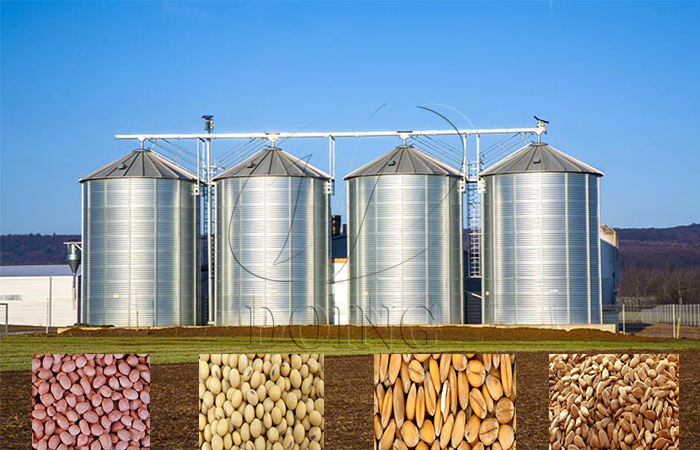 Uses of garin silos
Steel silos on farms serve three vital functions:
Harvest buffer – during the short harvest window, a steel silo accepts grain continuously, allowing combines to keep running without waiting for trucks.
Quality preservation – the sealed environment of a steel grain silo prevents moisture re-entry, stops pest infiltration, and maintains grain temperature through integrated aeration systems.
Marketing flexibility – with on-farm storage, farmers are no longer forced to sell immediately after harvest when prices are lowest. They can wait for better market conditions, often achieving significantly higher returns.
For small family farms, a 10–50 ton hopper-bottom silo is typically sufficient. For large commercial operations, multiple flat-bottom silos with capacities exceeding 10,000 tons create a complete grain silo storage system that can hold an entire season‘s production.
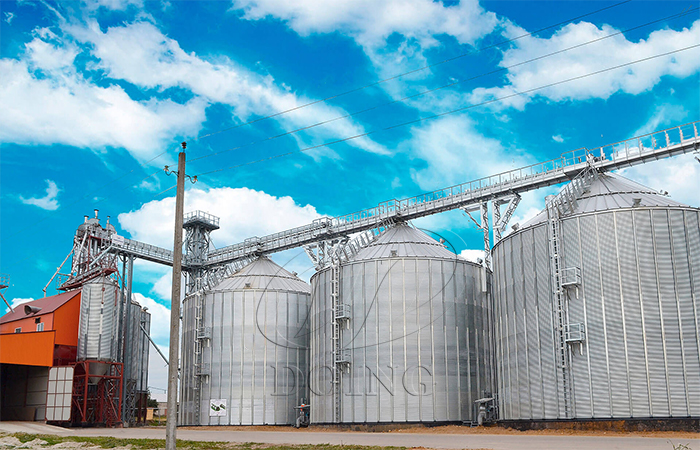 Garin silos
Flour mills rely on steel grain silos for two purposes: storing incoming wheat before milling and storing finished flour before packaging. Wheat storage requires temperature control and pest prevention; flour storage demands explosion safety, flow assurance, and hygiene. Steel silos meet both needs effectively.
For wheat storage, silos are equipped with aeration systems and temperature monitoring cables to prevent hotspots and insect activity. For flour storage, steel grain silos feature explosion‑vent panels, static grounding, and dust collection ports to eliminate ignition risks. Steep cone angles (60° or more) and food-grade smooth interiors prevent bridging and clogging. Sealed construction keeps moisture and contaminants out, while automated level sensors and pneumatic conveying systems integrate with flour mill operations.
Without steel silos, flour mills would face constant explosion hazards, production stoppages from clogged bins, and difficulty meeting food safety audits. Steel silos make flour storage safe, efficient, and audit-ready – an essential application of steel grain silos in modern agriculture.
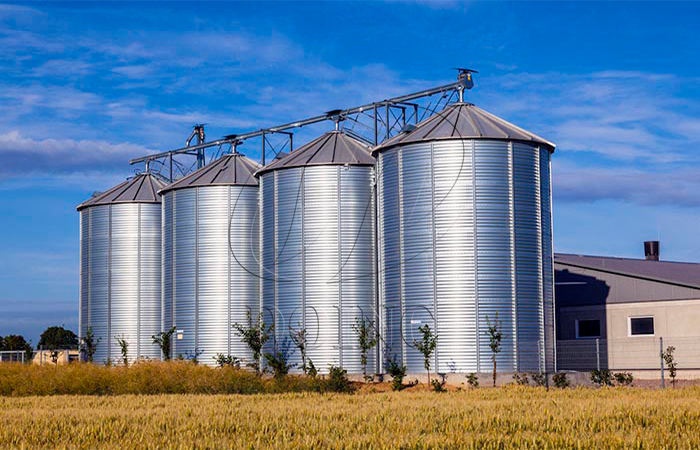 Grain storage system
Animal feed production requires a steady supply of multiple ingredients: corn, soybean meal, wheat bran, and various mineral and vitamin premixes. Steel grain silos are the standard solution for storing these bulk ingredients in feed mills.
The essential application of steel grain silos in feed mills includes:
Corn and grain storage – the primary energy source for most animal feeds.
Protein meal storage – soybean meal, canola meal, and other protein sources.
Finished feed storage – holding pelleted or mash feed before bagging or bulk delivery.
Modern feed mills often use multiple small to medium steel grain silos arranged in rows, each dedicated to a specific ingredient. This modular approach allows precise inventory management and prevents cross‑contamination between different feed formulations. The hopper bottom design with steep cones (typically 45° or 60°) ensures complete gravity discharge, eliminating manual clean-out and reducing waste.
Steel grain silos used in feed mills are also integrated with batching systems that automatically weigh and proportion ingredients according to precise nutritional formulas. This level of automation would be impossible without the reliable, sealed storage that only steel silos provide.
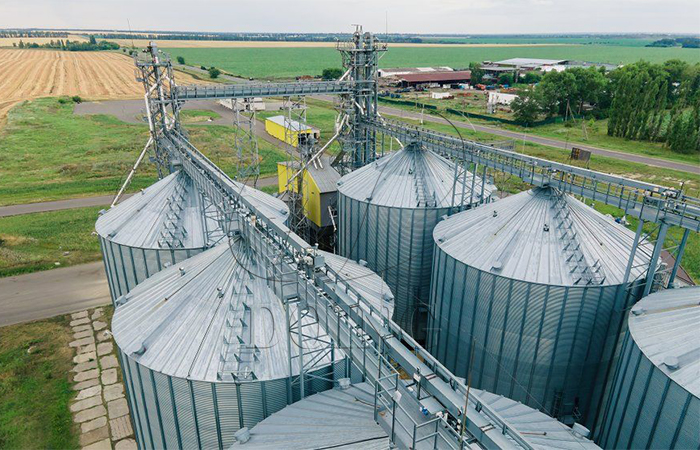 Oilseed storage silos
Soybeans, sunflower seeds, canola, and other oilseeds are among the most sensitive agricultural commodities to store. Their high oil content makes them prone to oxidation, self-heating, and quality degradation if stored improperly. Steel grain silos in modern agriculture are essential for oilseed processing plants because they provide the controlled environment necessary to preserve oil quality – one of the essential applications of this storage technology.
The role of steel grain silos in oilseed processing includes:
Raw seed storage – holding soybeans, rapeseed, sunflower seeds, and other oil crops before crushing.
Conditioning – maintaining uniform temperature and moisture to optimise oil extraction yields.
Meal storage – storing the protein‑rich residue after oil extraction for animal feed markets.
Oilseed processors typically use large flat-bottom steel silos with capacities ranging from several hundred to tens of thousands of tons. These silos are equipped with temperature monitoring cables and aeration systems to prevent heat buildup—a critical requirement for oilseeds that generate internal heat during storage. A well-designed grain silo storage system ensures that high-value oilseeds retain their quality throughout the storage period, demonstrating yet another essential application of steel grain silos in modern agriculture.
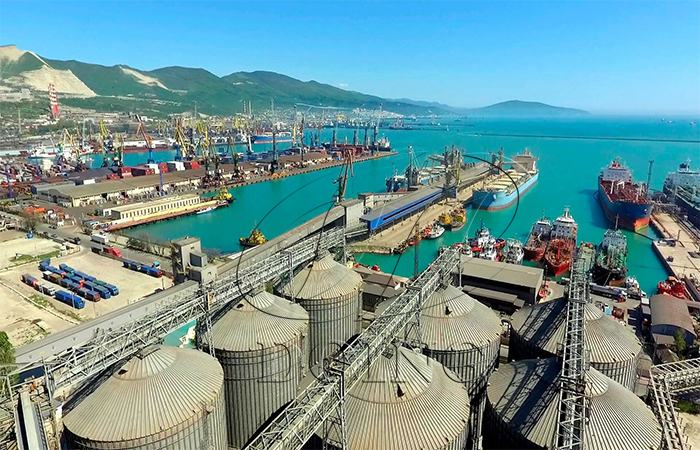 Steel silos for port terminal
Port terminals are the link between agricultural production and international markets. Steel grain silos at ports receive grain from inland sources—by truck, rail, or barge—store it temporarily, and then load it onto ocean-going vessels for export. The essential application here is high‑throughput logistics.
A typical port grain terminal can receive grain at rates exceeding 1,000 tons per hour and load ships at similar speeds. The steel silos at these facilities are massive, often with capacities of 10,000 to over 100,000 tons per silo complex. The grain silo storage system must be designed for rapid filling and emptying, with automated conveying systems that can route grain from any receiving point to any silo and from any silo to any vessel.
Port steel grain silos also require exceptional durability. They operate in coastal environments with high salt exposure and must withstand constant loading cycles. Modern port terminals use corrosion-resistant coatings and robust structural designs to ensure decades of reliable service.
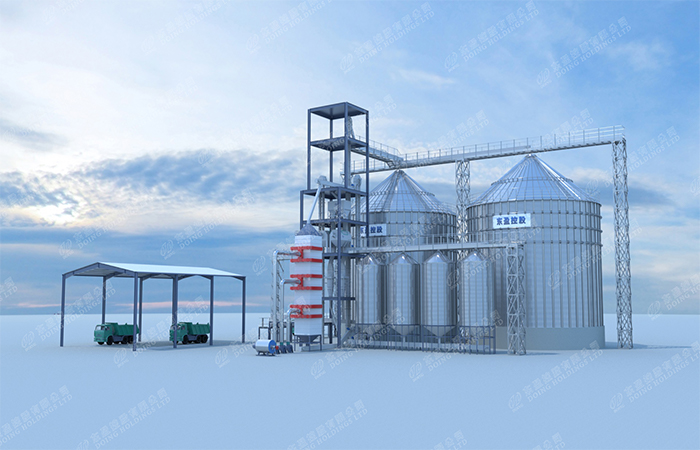 Henan Jinrui grain silos
Beyond their specific roles, steel grain silos share common quality-preserving features that make them indispensable in every modern agriculture application:
Superior airtightness: a sealed steel silo supports phosphine fumigation and controlled atmosphere storage, eliminating pests without chemicals.
Temperature control: integrated aeration systems and temperature monitoring cables allow operators to maintain uniform grain temperature, preventing hotspots and mould growth.
Pest and moisture protection: the smooth, galvanised steel walls and tight seals block insects, rodents, and moisture ingress.
Automation ready: modern steel grain silos integrate with level sensors, automated conveyors, and central control systems, reducing labour costs and human error.
The essential applications of steel grain silos in modern agriculture span the entire food supply chain – from on-farm storage that protects harvest at the source, to flour mills, feed mills, and oilseed processors that need safe, efficient storage, to port terminals that connect farmers to global markets. In each application, the steel grain silo delivers the same core value: preserving grain quality, reducing post-harvest losses, and ensuring that agricultural production reaches consumers in optimal condition.
Still not sure which steel grain silo application fits your operation? Contact Henan Jinrui today. Share your grain type, storage duration, and site conditions – and we will help you design the right grain silo storage system for your needs.
Share your needs & get a response within 24 hours!